
Editorial Photographer in San Francisco: Portraits With a Sense of Place
Editorial photography is about people and the environments that shape them. As an editorial photographer in San Francisco, I aim to create portraits that feel honest and grounded—images that reflect who someone is and the world they inhabit.
What draws me to editorial work is the absence of artifice. There are no sets built from scratch, no costumes, no manufactured scenarios. The story is already there — in the light coming through a workshop window, in the texture of a family farm, in the quiet confidence of someone sitting in the space they've spent years building. My job is simply to find it.
The Bay Area is an ideal place for this kind of work. I photograph assignments across San Francisco, Marin County, Sonoma and Napa Valley, Oakland, and the Silicon Valley, and each location offers its own atmosphere. A portrait might unfold in a quiet studio, a family farm, a workshop, or a city neighborhood with its own history and texture. These surroundings give the images their depth and character.
A human-first approach to editorial work
My focus is always on the person. Understanding their story — their work, their context, their relationship to the space around them — helps guide every visual choice: light, setting, mood, and the small details that make a portrait feel natural rather than constructed.
Before any shoot, I research the subject. I want to understand what they do, what drives them, and how they move through the world. That preparation shapes the conversation on the day of the shoot, and it's that conversation — not the camera — that opens up the image.
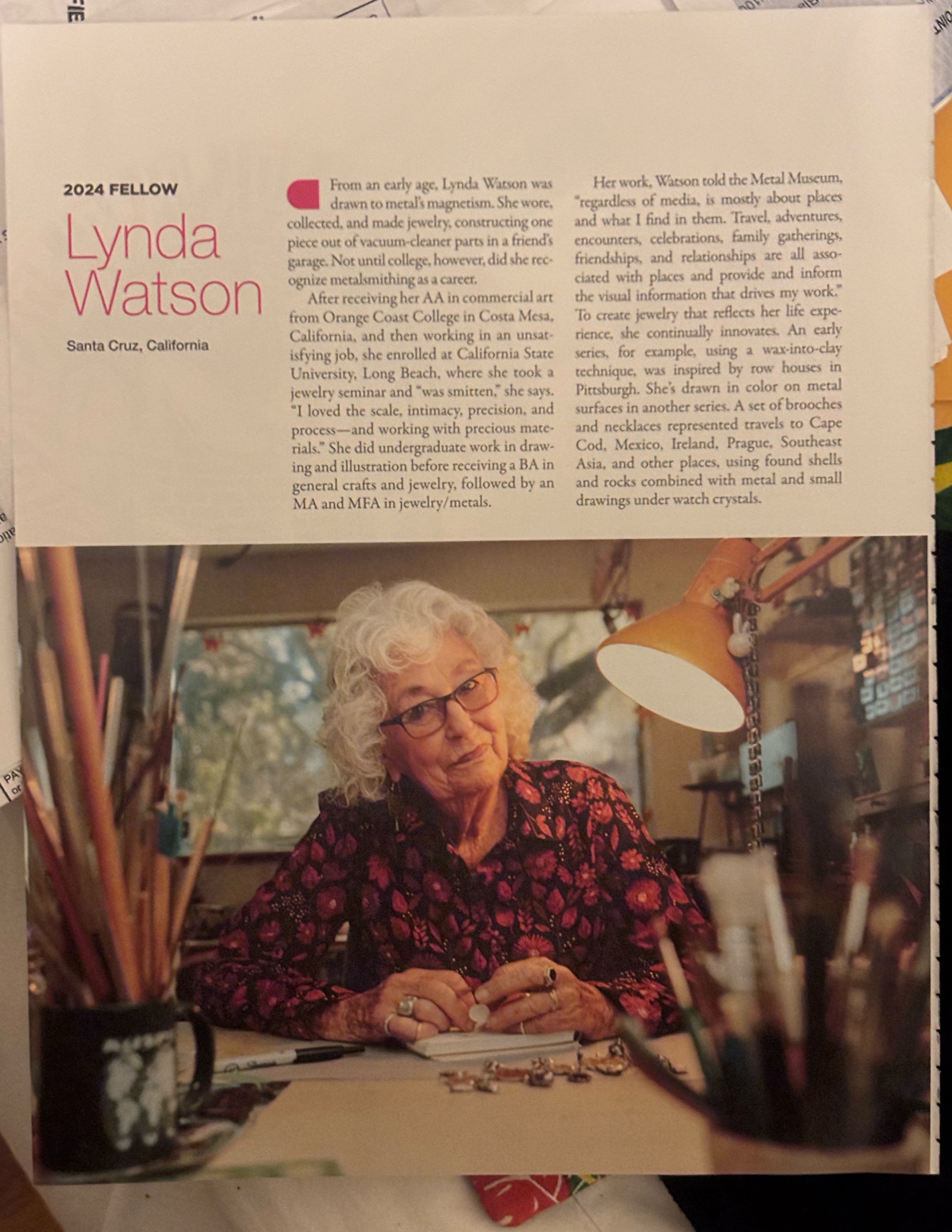
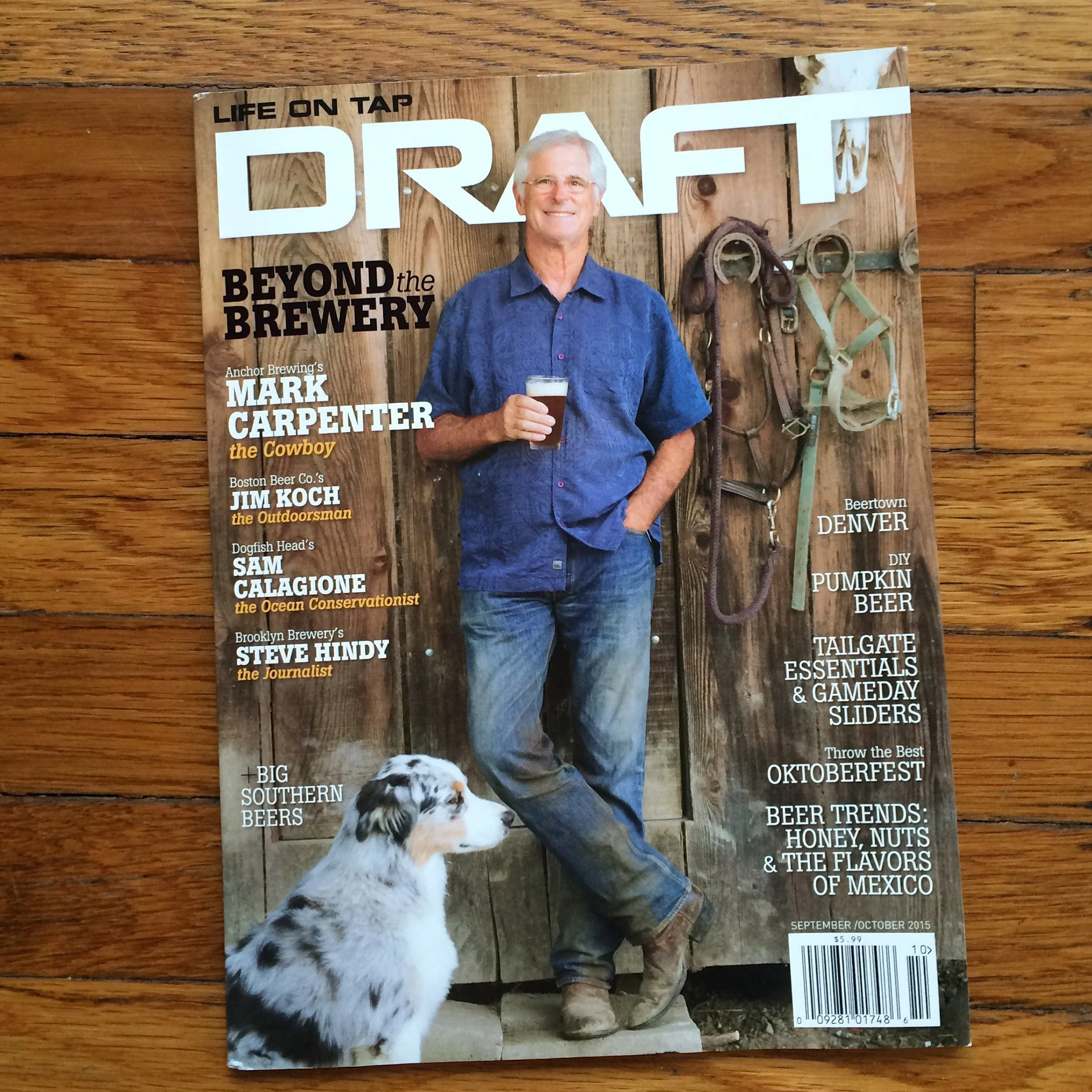
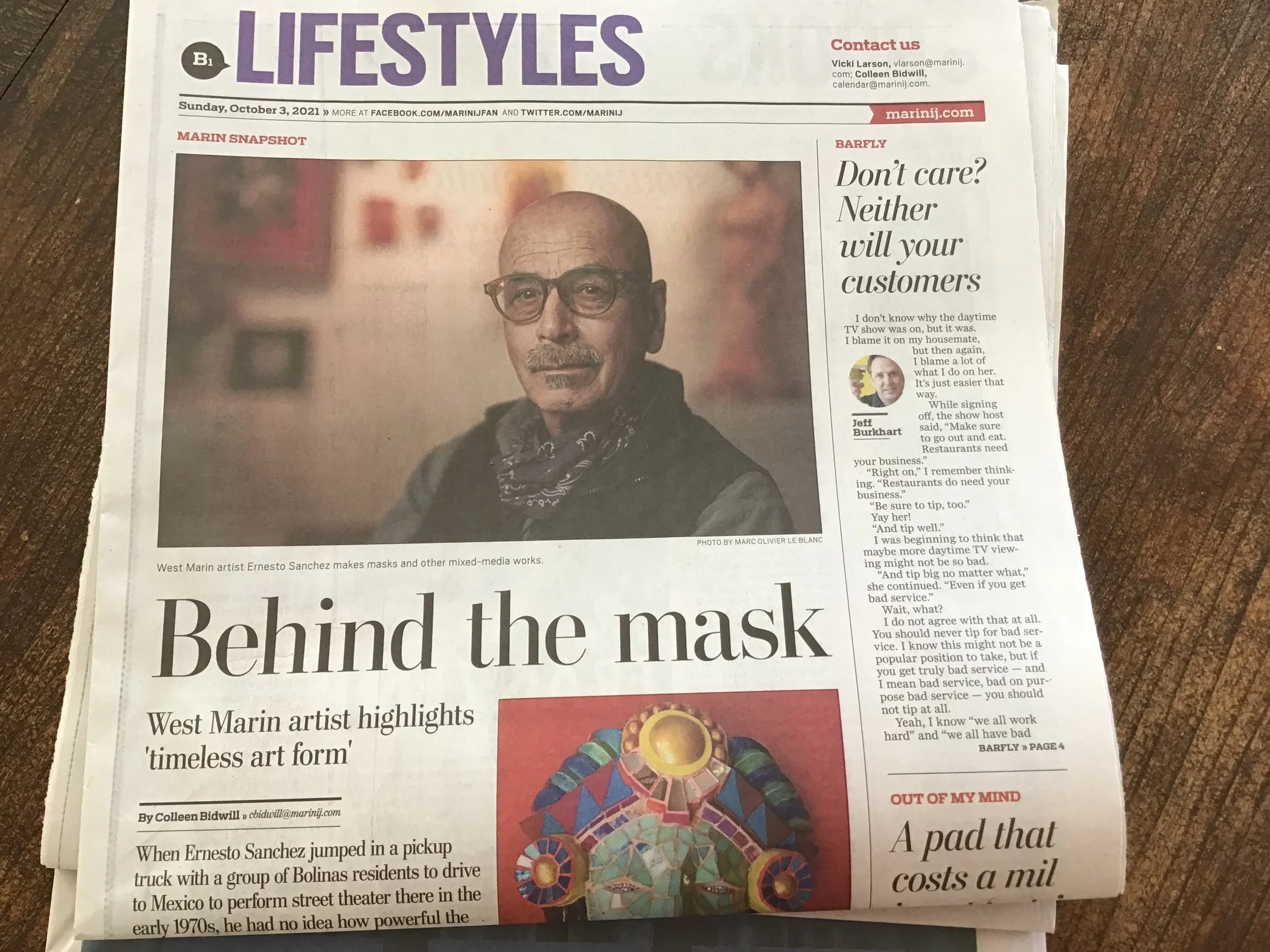
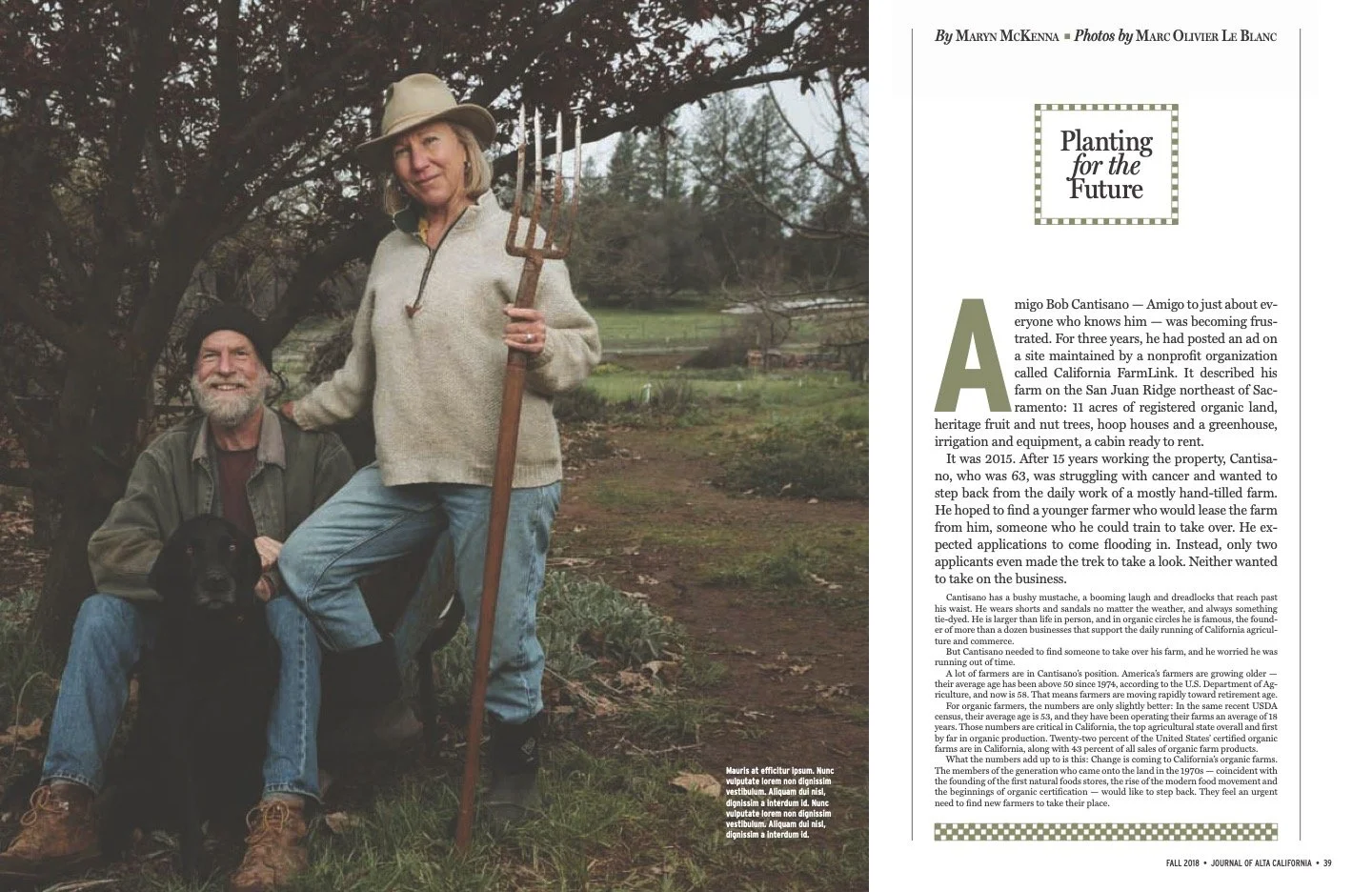
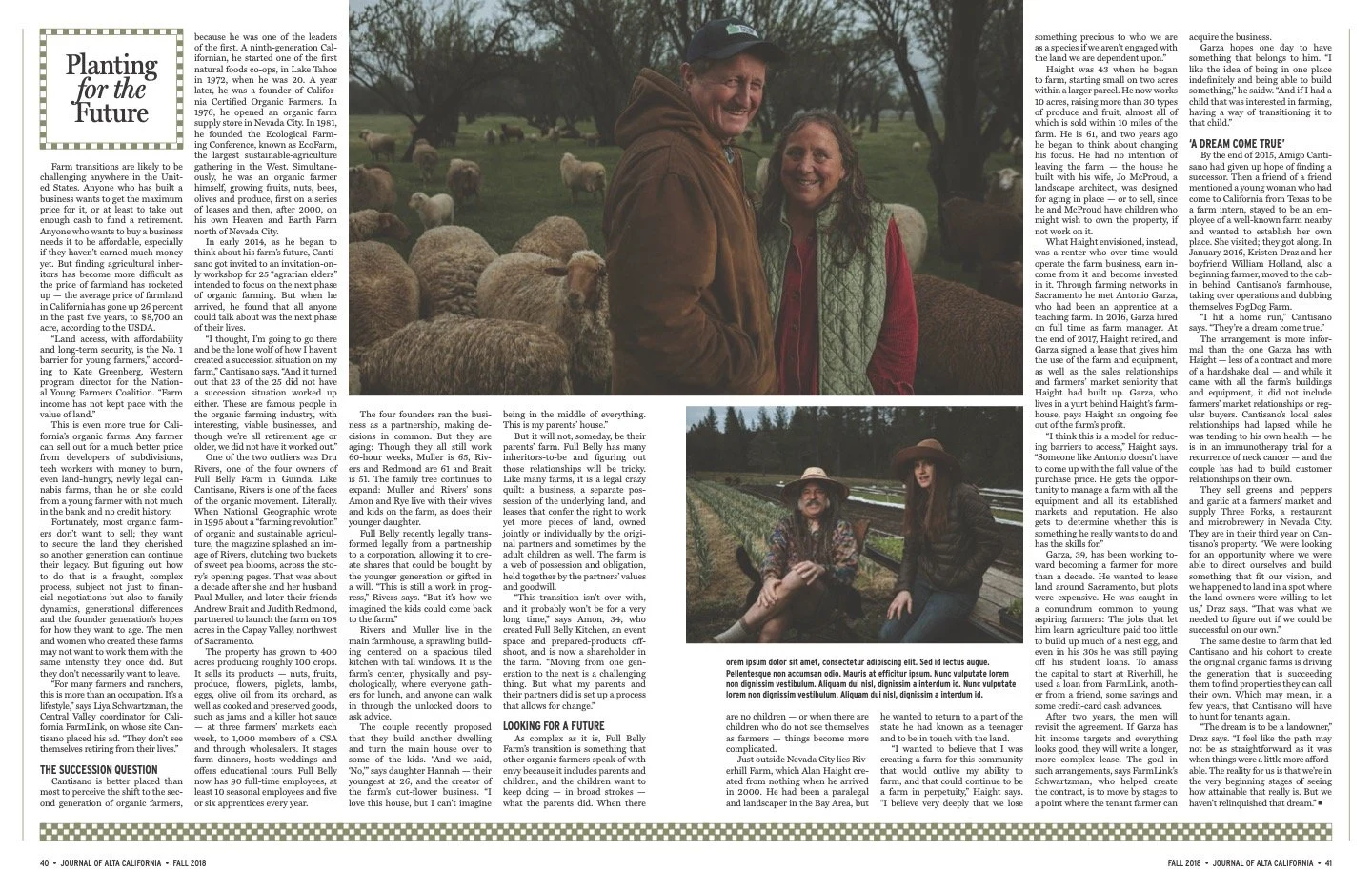
When photographing Lynda Watson, for example, her tools and desk became central to the image because it reflected her personality. With Mark Carpenter for DRAFT Magazine, the environment was rustic and familiar at his family home in Novato, giving the portrait its warmth. The portrait of Ernesto Sanchez in his studio for the cover of Marin Independent Journal required a quieter, more contemplative tone, while the farming families featured in Journal of Alta California were best photographed outdoors in the landscapes they know so well.
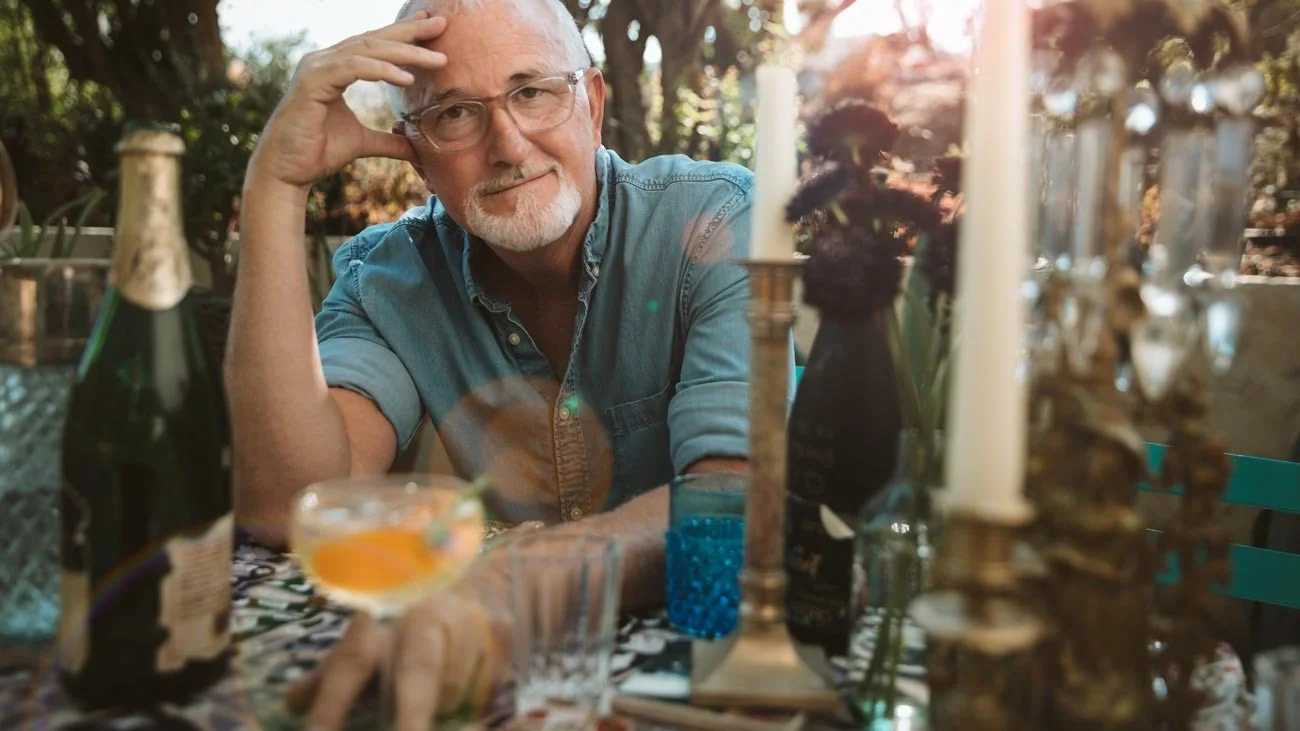
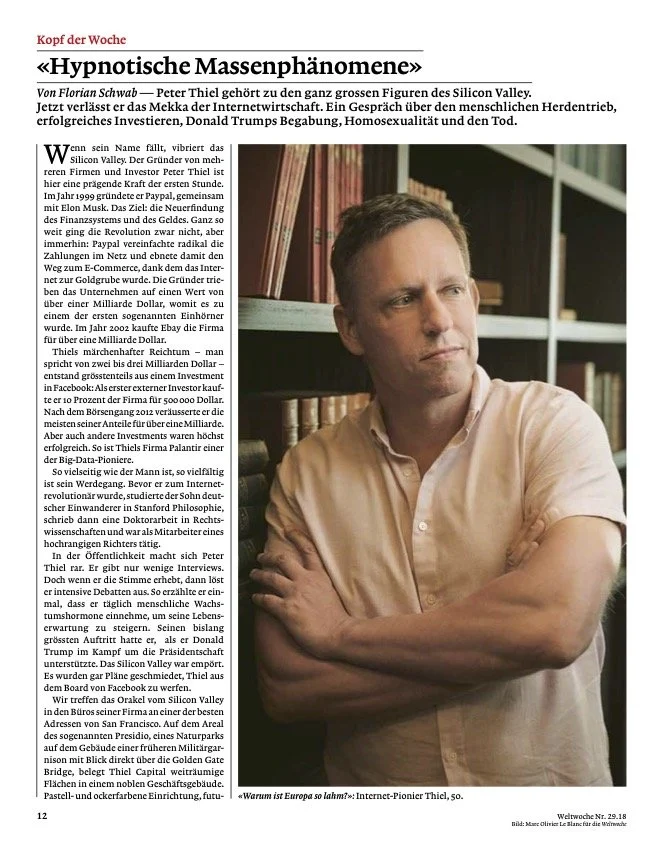
Even more formal assignments, such as photographing Peter Thiel, for the cover of German Newspaper Die Weltwoche still rely on capturing presence rather than posing. I want the portrait to feel like the person—not a performance. The portrait should feel like the person.
Working with light, space, and subtle details
Most editorial portraits are photographed on location, which means working with whatever light and space exists rather than building from scratch. I pay close attention to the quality and direction of natural light, the textures present in a room or outdoor setting, and the objects that reveal something about the subject without needing a caption to explain them.
The process is straightforward: research, conversation, and creating conditions where the subject can relax. A relaxed subject is an honest subject. When people stop performing for the camera, the images become something more.
Location scouting — even informally, even just walking through a space before the shoot — matters enormously. The right corner of a room, the right time of day, the right angle relative to a window can transform an ordinary portrait into something that holds attention.
Why editorial portraits matter
Editorial photography serves a specific purpose: it supports stories. Whether that's a profile in a regional magazine, a feature in a national newspaper, a nonprofit annual report, or a brand campaign built around real people, these images help an audience understand someone's character or work in a single frame.
They're not about perfection. They're not about making someone look younger, thinner, or more powerful than they are. They're about truth — and truth, when it's captured well, is far more compelling than anything manufactured.
For clients commissioning editorial work, this distinction matters practically. Images that feel authentic perform better across platforms — they hold readers longer, communicate credibility, and travel further on social media than polished but hollow portraits.
Closing thoughts
At its best, editorial photography captures a person in a way that feels real. When the setting and the subject come together naturally, the portrait becomes a story in itself.
If you’re developing an editorial assignment or feature in the San Francisco Bay Area and want to explore portrait options, I’m always open to a conversation if you want to contact me.